

Vital signs monitors measure blood pressure (NIBP), oxygen saturation (SpO₂), pulse rate, respiratory rate, and body temperature, and are widely used across hospitals, clinics, home healthcare, emergency services, and telemedicine.
Chronic disease prevalence, growing elderly person, and post-COVID respiratory care have driven the demand for accurate patient vital signs monitoring in home healthcare.
This guide offers a thorough overview: learn why vital signs monitors matter, understand the differences between types, identify features that assure reliability, and learn how to make the right selection for clinical and home environments
Why Vital Signs Monitors Are Important
- Home healthcare: Enables seniors and chronic patients to track their health daily
- Clinics: Improves triage speed and documentation accuracy
- Mobile care: Supports accurate evaluations during home visits
Vital Signs Monitor Types: Spot-Check vs. Real-Time Monitoring
Vital signs monitors are categorized as either spot-check or continuous devices. Spot-check monitors provide single-time measurements suited for clinics and home use, while continuous monitors deliver live data essential in intensive and critical care environments.
Spot-Check Vital Signs Monitors
- BP, SpO₂, pulse, temperature in seconds
- Portable and cost-effective
- Common in outpatient clinics and home care
Continuous Vital Signs Monitors
- Continuous data and trend analysis
- Advanced alarms for deterioration
- Used mainly in ICUs and critical care units
Compare Clinically Validated Vital Signs Monitors: Explore FDA Class II–compliant vital signs monitors for hospitals, clinics, and home care. Choose from trusted brands with proven accuracy, warranty coverage, and authorized after-sales support.
View Available Vital Signs Monitors
Top Features to Look for in Vital Signs Monitors
1. Accuracy and Clinical Validation
Accuracy is the most important factor when choosing a vital signs monitor. Reliable devices use clinically validated blood pressure algorithms and motion-tolerant SpO₂ sensors. Most professional monitors comply with FDA Class II and AAMI accuracy standards.
2. Portability and Design
Portable monitors are essential for home and mobile care.
-
Under 8 pounds
-
8–12 hours battery life
-
Durable casing for frequent transport
3. Display and Ease of Use
Clear interfaces reduce user error.
-
7–10 inch touchscreen displays
-
Large fonts and high contrast
-
Customizable alarms
4. Connectivity and Data Management
Modern vital signs monitors support wireless data transfer.
-
Bluetooth and Wi-Fi connectivity
-
EMR integration using HL7 standards
-
Internal memory for patient records
5. Battery Life and Durability
Professional monitors use rechargeable lithium-ion batteries and often include IP54-rated protection against dust and splashes.
Typical price range: $300–$1,500 depending on features and certifications.
Best Vital Signs Monitors Comparison 2026
| Model | Key Features | Price Range | Best Use Case | Availability |
| Dynarex Vital Signs Monitor | Accurate BP, SpO₂, temperature, compact | $350–650 | Clinics, long-term care, home use | Buy Now |
| MD PRO Vital Signs Monitor | Touchscreen, alarms, wireless-ready | $600–1,000 | Professional clinical settings | Buy Now |
| Mindray VS8 | Reliable SpO₂, portable, configurable alarms | $500–800 | Mobile and field healthcare | Buy Now |
| Welch Allyn Spot | Clinically validated BP, compact | $400–700 | Outpatient clinics | Buy Now |
Leading Vital Signs Monitor Brands
Market leaders in vital signs monitors are assessed by accuracy, durability, and medical acceptance. Dynarex commands functional roles within clinics, MD PRO prioritizes professional workflows, and Mindray delivers cost-effective solutions for mobile and community health.
MD PRO – Designed for professional workflows with durable construction
Mindray – Balances cost-effectiveness alongside clinical-grade performance
Vital Signs Monitor Buying Checklist
- Budget: $150–$2,000
- Use case: home, clinic, or mobile care
- Accuracy compliance: FDA Class II, AAMI
- Warranty: 2–5 years
- Buy from authorized sellers.
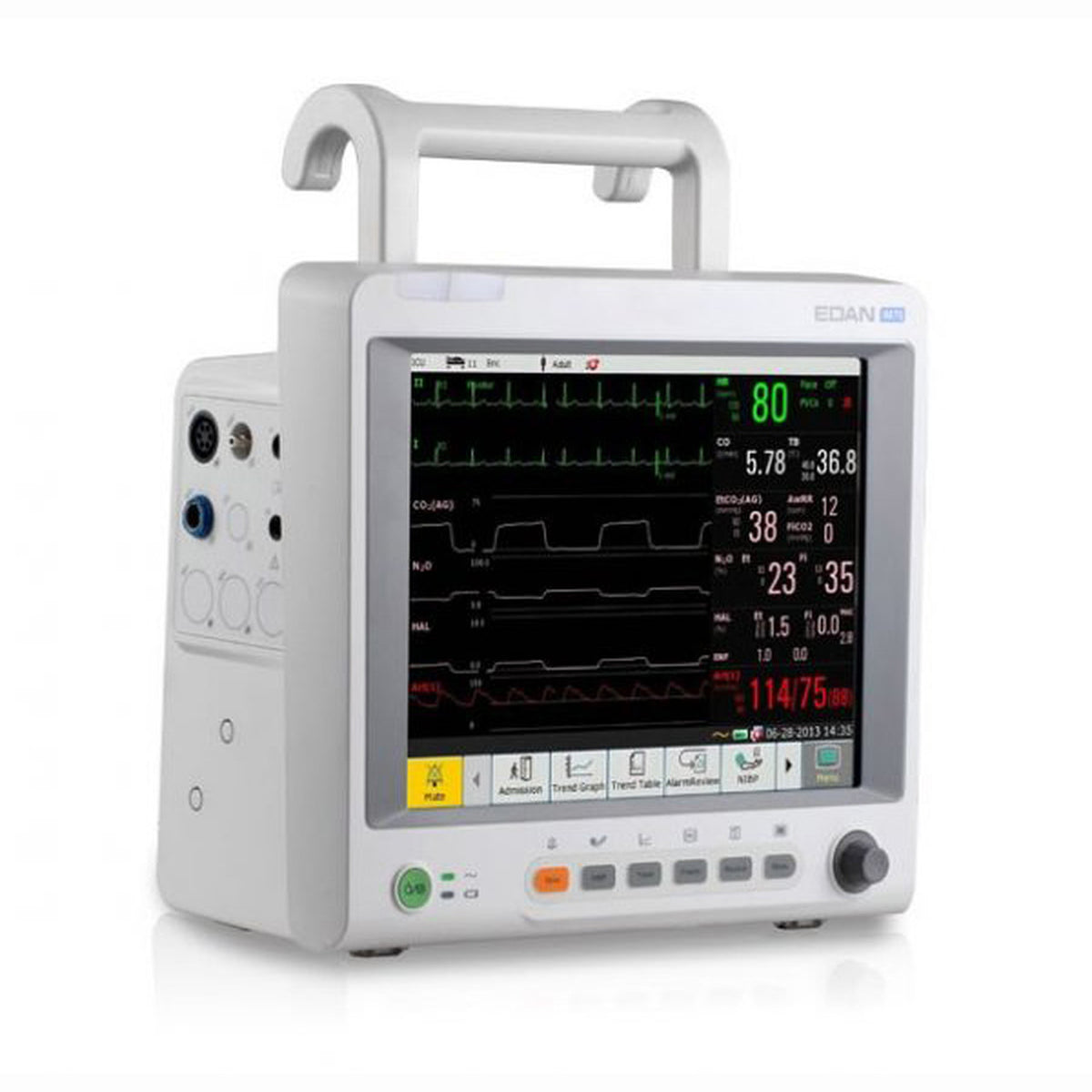
Hospital-Grade Monitoring Solution - Buy Edan iM8 Patient Monitor — Multi-Parameter Vital Signs Monitoring for ICU & ER
Pricing Guide and Where to Buy
- Home use: ~$150
- Mid-range clinical: $400–800
- Professional systems: $1,000+
Important FAQs
Are wireless vital signs monitors accurate?
What is the most accurate vital signs monitor for home use?
How often should a vital signs monitor be calibrated?
Are vital signs monitors safe for elderly patients?
Conclusion


