


Descripción
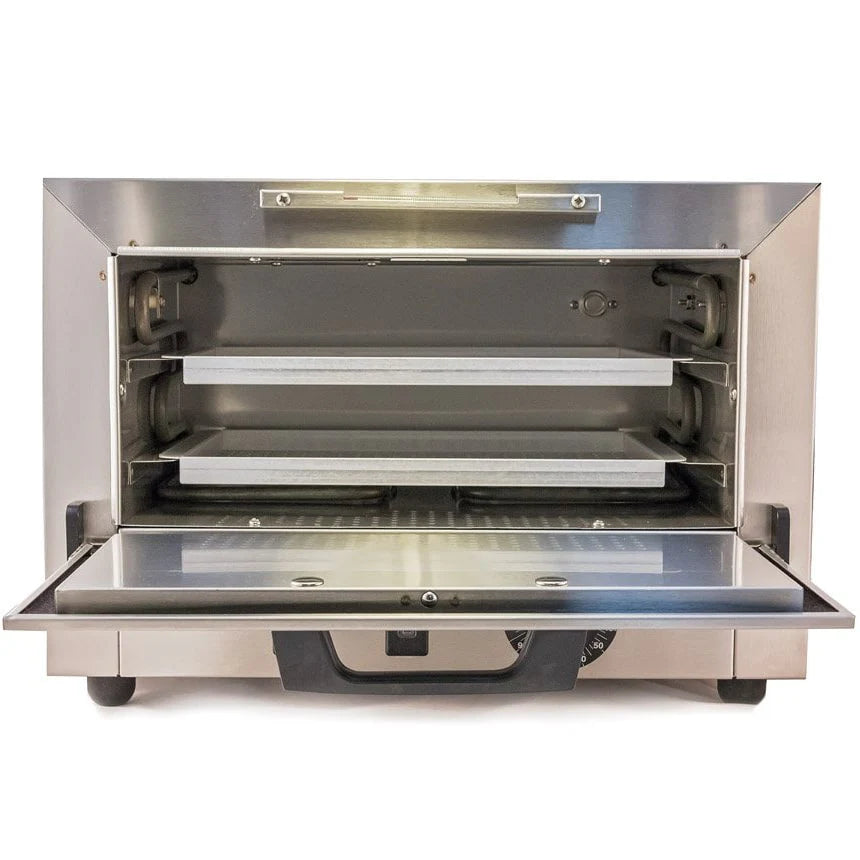
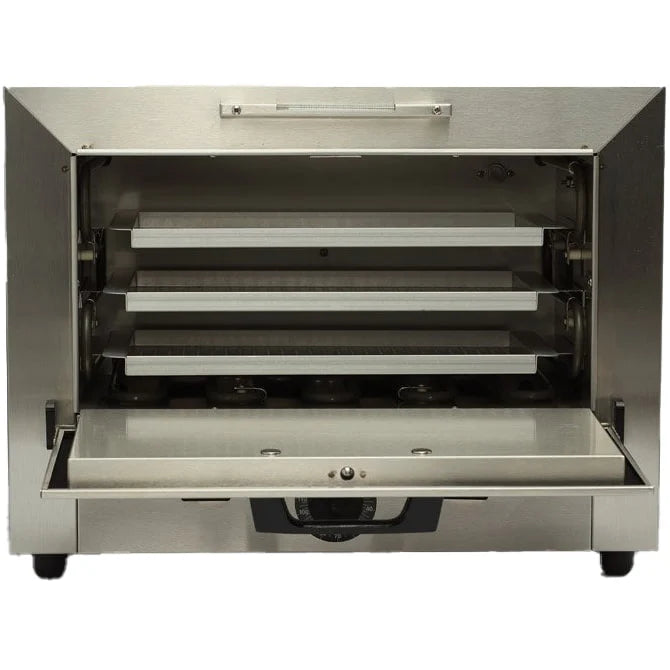
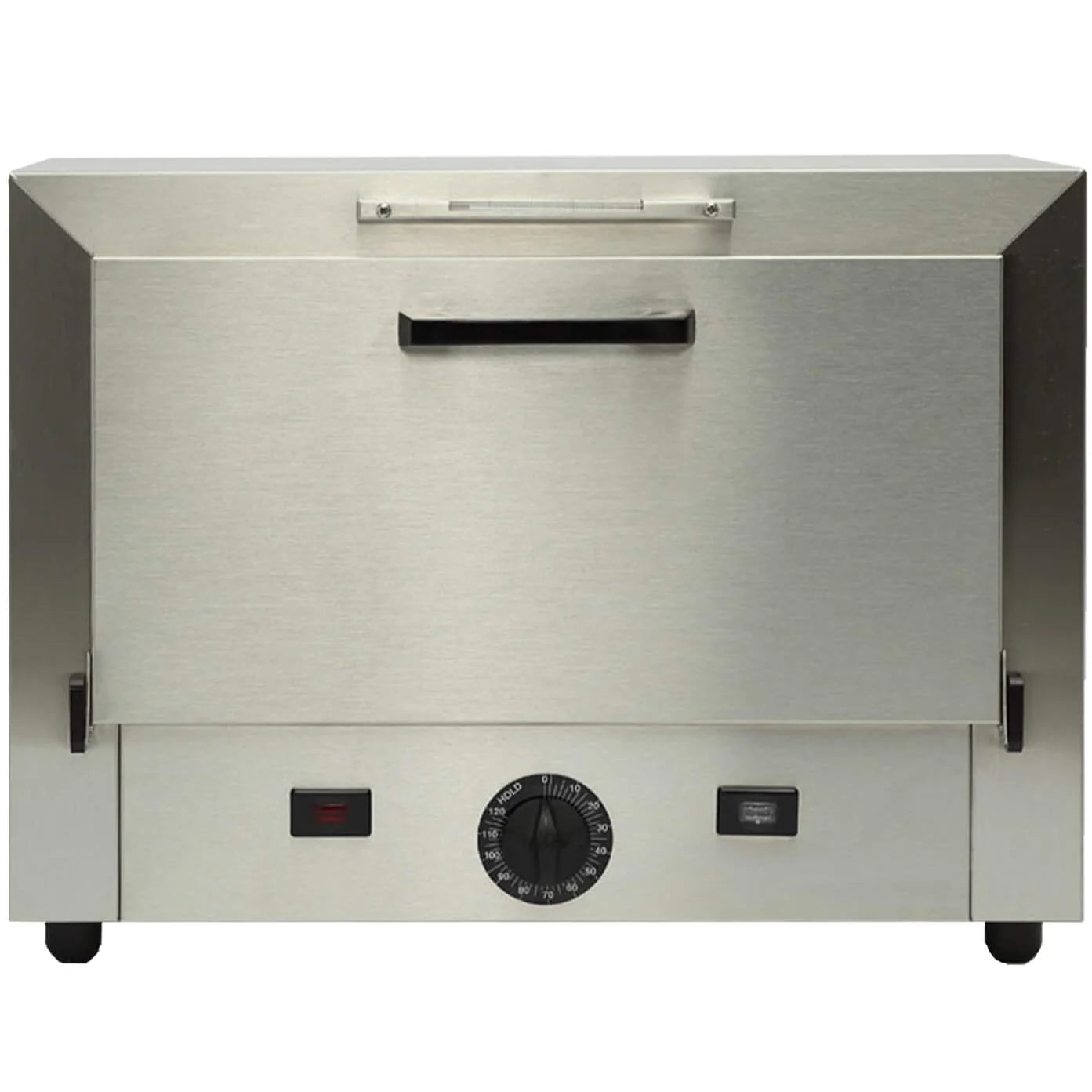
The CPAC Steri-Dent Dry Heat Sterilizer assemblies deliver precise biological decontamination safely across compact clinical footprints. Engineered for heavy-duty instrument processing, the Model 200 (201000-SD) and Model 300 (301000-SD) heating configurations create high-velocity thermal air currents that kill micro-organisms rapidly without causing instrument rust, corrosion, or dulling dull-edged tools. The integrated microprocessor maintains tight structural temperature thresholds, ensuring uniform treatment verification while offering spacious interior tray setups to maximize daily dental and medical office sterilization workflows.
| SKU | Product | Key Technical Details |
| CPAC-201000-SD | Model 200 Dry Heat Sterilizer (1 EA) | Dual Layer Heating Chamber; Holds 2 Instrument Trays; Rapid Heat Microprocessor Control. |
| CPAC-301000-SD | Model 300 Dry Heat Sterilizer (1 EA) | Triple Layer Heating Chamber; Holds 3 Instrument Trays; Rapid Heat Microprocessor Control. |
What safety features does the SteriDent include?
- Thermal cutout protection — automatic shutoff prevents overheating
- Heat-and-hold capability — maintains sterilization temperature for continuous use without restarting
- No pressure or steam — eliminates steam-burn risk in the operatory
- No toxic residue — nothing to dispose of after each cycle
What Can You Sterilize with the SteriDent?
The CPAC SteriDent is optimized for solid metal, heat-tolerant dental and surgical instruments. It is particularly advantageous for instruments that must retain sharp edges and resist corrosion — exactly the instruments that suffer most in a steam environment.
Suitable for Dry Heat
- Carbon steel dental burs
- Periodontal scalers & curettes
- Orthodontic cutting pliers & band-removing forceps
- Extraction forceps & elevators
- Surgical scissors
- Endodontic files & reamers
- Metal mouth mirrors (frame + head)
- Explorers & probes (metal)
- Impression trays (metal)
- Orthodontic band-seating instruments
❌ Not Suitable for Dry Heat
- Plastics or acrylic items
- Rubber goods (e.g., rubber dams)
- Handpieces with plastic components
- Heat-sensitive composite materials
- Cloth or fabric items
- Items rated below 320°F (160°C)
- Liquids or semi-solids
- Standard (non-dry-heat) pouches
Technical Specification Model 200
Sterilization Temperature - 320°F (160°C)
Sterilization Time- 60 minutes
Number of Trays- 2
Tray Size - 10″ W × 6.25″ D
Chamber Dimensions - 11.25″ W × 7.5″ D × 4.75″ H
Exterior Dimensions - 15.5″ W × 9.5″ D × 10.5″ H
Unit Weight - 13 lb (6 kg)
Electrical (Standard) - 110–120 V, 500W
Shipping Weight - 16 lb
Shipping Dimensions - 20″ × 16″ × 14″
Country of Manufacture - USA (CPAC Equipment, Inc.)
Configurations
CPAC SteriDent Static Heat Sterilizer Configurations
- 201000-SD: Model #200, 2 Instrument Trays, 120 VAC.
- 301000-SD: Model #300, 3 Instrument Trays, 120 VAC.
- 201000-SD-230V: Model #200, 2 Instrument Trays, 230 VAC.
- 301000-SD-230V: Model #300, 3 Instrument Trays, 230 VAC.
What's Included with Dry Heat Sterilizer
- CPAC SteriDent Static Dry Heat Sterilizer (Model 200 or 300)
- 2 or 3 stainless steel instrument trays (per model)
- Tray removal / changing tool
- Operator's manual
Have Questions In Mind? Read Our FAQs
What is a dry heat sterilizer used for?
A dry-heat sterilizer uses hot air at 320°F–375°F (160°C–190°C) to kill bacteria, endospores, and other microorganisms on metal dental and surgical instruments — no moisture, steam, or chemicals are used. For carbon steel burs, sharp cutting instruments, and orthodontic pliers, it's the go-to choice precisely because steam autoclaves corrode and dull them over time.
How long does a dry heat sterilization cycle take?
60 minutes15–30 minutes
Once the chamber hits operating temperature, the cycle runs for 60 minutes. Starting from cold, budget an extra 15–30 minutes for the chamber to reach 320°F before timing begins. The SteriDent's heat-and-hold capability keeps it at sterilization temperature all day — no cold restarts between patients.
Is dry heat sterilization better than a steam autoclave?
There's no universal winner here — both are CDC-accepted methods, and both have a place in a well-run dental practice. It really comes down to what you're sterilizing:
Does the SteriDent require water, distilled water, or chemicals?
No — none of the above. No water reservoir, no distilled water runs, no chemical pouches, nothing to dispose of after a cycle. You're basically just paying for electricity. Over years of daily use, that adds up to real savings compared to running an autoclave.
Can standard autoclave pouches be used in a dry heat sterilizer?
Only if the packaging explicitly says it's validated for 320°F (160°C) dry heat. Don't assume — even well-known brands don't rate their steam pouches for dry heat unless it's printed right on the label. Stick with dry-heat-specific self-sealing bags. It's a small detail that keeps you compliant and maintains your sterile field.
What warranty does the CPAC SteriDent carry?
3-year manufacturer's warranty
The SteriDent comes with a 3-year manufacturer's warranty covering defects in materials and artistry under normal use. For a tabletop sterilizer, that's a longer coverage window than most — a reflection of CPAC's commitment to the equipment they build in the USA.
Data Sheets


