


Description
What Is a Pigg-O-Stat Immobilizer?
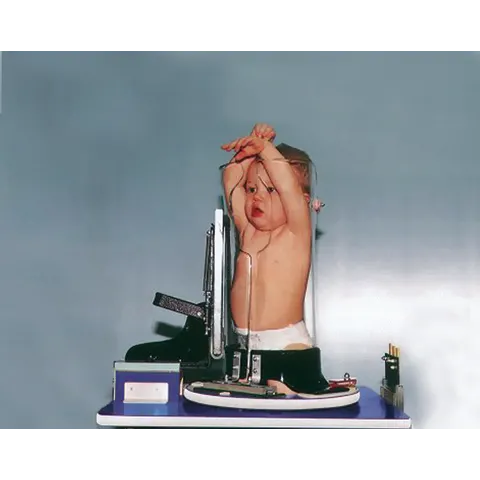
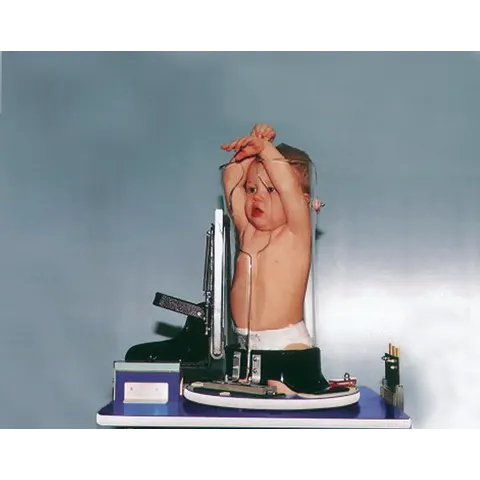
The Pigg-O-Stat Immobilizer is a specialized pediatric positioning system used in pediatric radiology to safely stabilize infants and toddlers during chest, abdominal, and extremity X-rays.
At its core, it addresses a practical problem that every imaging team faces: children move. Even small movements can compromise an otherwise diagnostic image.
By limiting motion during exposure-
- Departments reduce motion artifacts,
- Avoid unnecessary repeat exposures,
- Align with the ALARA (As Low As Reasonably Achievable) principle for radiation safety.
Initially developed by Modern Way Immobilizers and trusted for over 60 years, the system has earned its place as a dependable tool in hospitals worldwide. It is not sophisticated or complicated; it simply works consistently under real clinical pressure.
The Real Problem in Pediatric Imaging (And Why Manual Restraint Fails)
Anyone who has worked in a pediatric X-ray suite knows how unpredictable these exams can be. Even cooperative children instinctively move. A raised arm or slight twist is often enough to blur an image. That single movement triggers a chain reaction—retakes, longer exam times, higher cumulative doses, and frustrated families.
Departments relying on manual methods typically see more rejected images and slower throughput than expected.
Motion Artifacts Lead to Repeat X-Rays
- Extra radiation dose: Children are more radiosensitive than adults, so even modest additional exposure must be carefully controlled.
- Longer exam time: A study that should take seconds can stretch into several minutes due to repositioning and repeated attempts.
- Stressed children and parents: Each repeat tends to increase anxiety, making cooperation harder.
Staff Exposure & Workflow Bottlenecks
Without reliable immobilization, technologists often step into the beam area to assist, which leads to:
- Hand exposure risk: Proximity to the beam increases cumulative occupational dose over time.
- Inconsistent positioning: Manual restraint varies between staff members, directly affecting repeatability.
- Lower throughput: Extra minutes per exam add up quickly, limiting daily capacity.
The Solution: Controlled Immobilization With the Pigg-O-Stat
The Pigg-O-Stat pediatric immobilizer addresses the issue at the source: preventing movement rather than compensating for it afterward. Standardizing positioning creates a more controlled and predictable process. In our experience supporting imaging teams, this consistency often reduces repeats faster than any technique adjustment alone. Simply put, fewer variables lead to better results.
How It Works
A transparent plexiglass cylinder gently stabilizes the child in an upright, natural posture while allowing complete visibility and continuous monitoring.
- Rotatable seat: Enables fast 360° positioning for multiple views without repeatedly handling or repositioning the patient.
- Overhead arm supports: Keep arms clear of the chest field for cleaner and more reliable chest X-ray positioning.
- Secure but non-painful restraint: Designed to stabilize safely and comfortably, without force.
Designed for Real Radiology Workflows
The best equipment tends to be the least disruptive, fitting into your process rather than forcing you to adapt.
- Faster setup: Most children are positioned in seconds, keeping schedules flowing smoothly.
- Consistent imaging quality: Repeatable placement reduces technique variability and retakes.
- Simpler training: New technologists typically learn the workflow quickly and confidently.
Clinical Benefits That Directly Impact Outcomes
Radiology leaders do not invest in equipment for features alone; they invest to improve measurable performance.
- Fewer repeat exposures: Reliable immobilization reduces the rate of rejected images.
- Lower radiation exposure: Fewer repeats naturally support ALARA and dose optimization goals.
- Improved first-time accuracy: Stable positioning produces cleaner, diagnostic-quality images.
- Faster exam turnaround: When motion is controlled, everything else becomes easier.
- Shorter procedure times: Many teams complete exams in a fraction of their previous time.
- Higher daily capacity: More studies can be completed without adding staff or extending hours.
Staff Safety & Comfort
- Protecting technologists is just as crucial as protecting patients.
- Reduced occupational exposure: Less need for hands-on restraint during exposure.
- Less physical strain: Fewer awkward holds and repetitive lifting throughout the day.
Product Specifications & Technical Overview
Designed for infants to approximately 3–3.5 years (up to ~35 lbs), the device supports common pediatric radiography needs while remaining easy to maintain and clean.
| Feature | Specification |
|---|---|
| Material | Radiolucent plexiglass |
| Positioning | 360° rotation with markings |
| Patient Size | Infants to toddlers (~35 lbs) |
| Views | Chest, abdomen, extremities |
| Cleaning | Easy wipe-down, sterilizable |
| Visibility | Transparent body for monitoring |
| Compliance | Supports pediatric radiation safety best practices |
What You Should Check Before Buy Pigg-O-Stat Pediatric Immobilizer
Not all pediatric immobilization devices offer the same operational value. A thoughtful evaluation upfront can prevent costly workarounds later.
Fit & Size Range
Support for infants to toddlers covers the majority of routine pediatric exams.
Durability & Maintenance
Plexiglass construction reliably handles frequent cleaning and long-term use.
Warranty & Support
Availability of replacement parts minimizes downtime and service interruptions.
Cost vs. Repeat Savings
Fewer repeats save staff time, lower radiation doses, and reduce hidden operational costs over time.
Who Should Use Pediatric Immobilizers
Pediatric Radiology Departments
High volumes demand consistency. Standardized positioning reduces variation among technologists and improves reliability.
Urgent Care & Imaging Centers
In these settings, speed often matters most. Quick stabilization leads to faster diagnoses and smoother patient flow.
Children’s Hospitals & Specialty Clinics
Precision supports better clinical decisions—consistent image quality results in fewer callbacks and retakes.
Safety, Comfort & Parent Confidence
Images online can seem intimidating. However, immobilization is brief and controlled, often far safer than repeated exposures or manual restraint.
From experience, once parents understand that the goal is to reduce X-rays and expedite exams, their acceptance improves quickly.
Infection Control
Smooth surfaces allow for rapid, thorough disinfection between patients. The absence of fabric parts reduces contamination risks.
Child Comfort
Upright seating provides a more natural position for infants and toddlers. Quick procedures mean less time restrained, typically leading to less distress.
Parent Reassurance
Fewer repeats mean less radiation exposure. Visual transparency allows parents to observe their child throughout the exam.
Important FAQs
What is a Pigg-O-Stat used for?
To immobilize infants and toddlers during short X-ray procedures, preventing motion and reducing repeat exposures.
Is it safe for infants?
Yes, when used correctly, it stabilizes the child comfortably and helps minimize radiation risk.
What age range does it support?
Typically, from newborns to around 3 to 3.5 years, or approximately 35 lbs.
Does it reduce radiation exposure?
Indirectly, yes. Fewer repeat X-rays result in a lower cumulative dose.
How is it cleaned?
Smooth plexiglass surfaces allow for a fast wipe-down disinfection between patients.
Are there alternatives?
Boards, straps, and manual holding are available, but they often lead to higher repeat rates and greater staff exposure.
How much does a pediatric immobilizer cost?
Pricing varies by supplier and volume. Request a quote for current pricing and bulk discounts.


